Why South Sudan’s quiet ecological crisis deserves national attention—and what must be done to stop it.
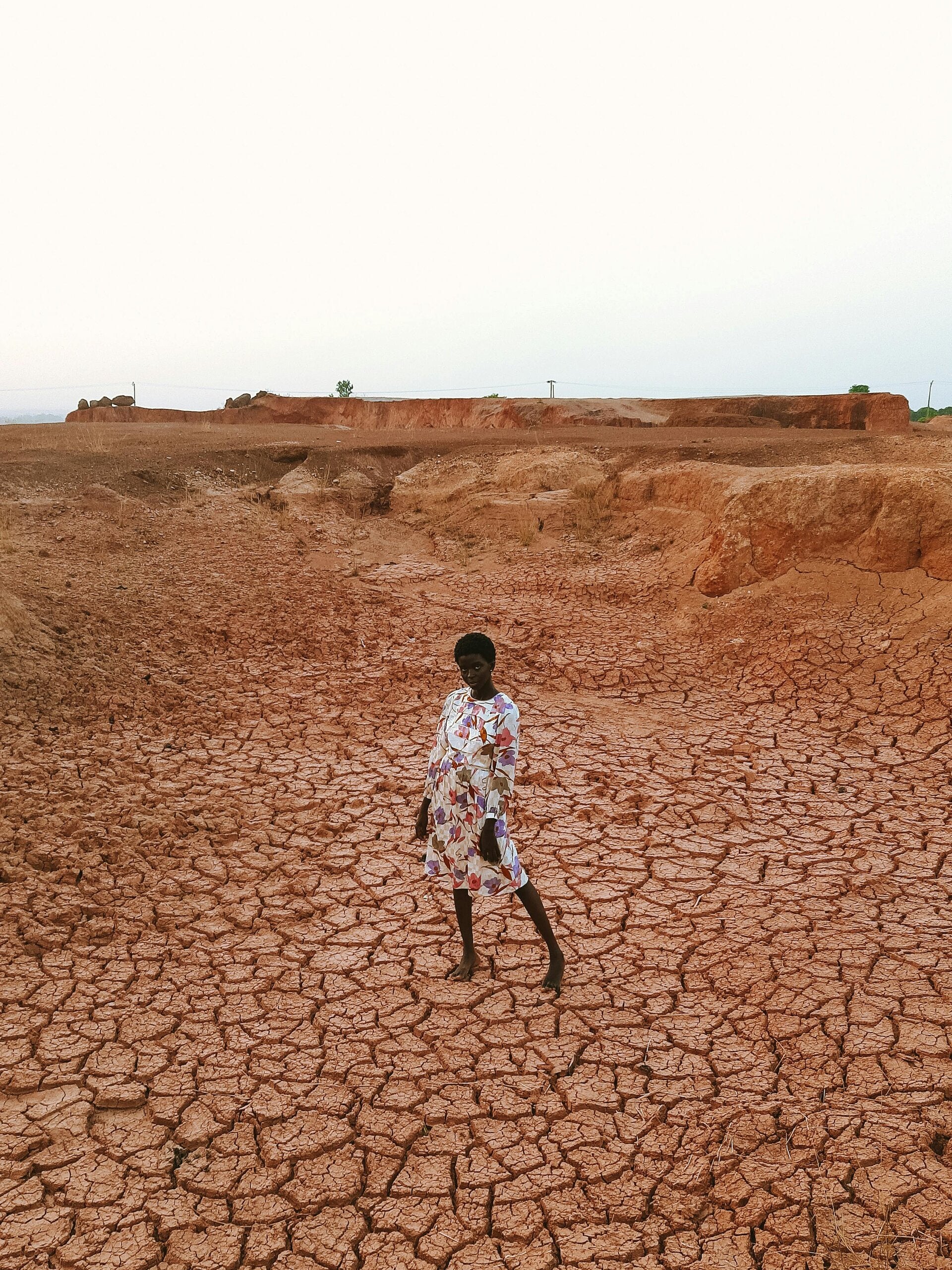
Deforestation in the Ruweng Administrative Area: Why Immediate Action Is Imperative
Deforestation in the Ruweng Administrative Area has escalated into a full-scale crisis—one that threatens the stability of ecosystems, the survival of communities, and the preservation of cultural heritage. Although this region seldom appears in global environmental discussions, the impact on local livelihoods is profound.
As one community elder in Panrieng remarked, “When the forest goes, our way of life goes with it. We lose more than trees—we lose ourselves.” Such sentiments reflect a growing fear among residents that environmental degradation is stripping away both their present and their future.
An Ecosystem Under Pressure
Ruweng’s forests, wetlands, and savannas have traditionally served as a natural safety net. Yet widespread clearing for agriculture, fuelwood, and infrastructure has compromised these functions. Soil erosion accelerates, water sources degrade, and biodiversity declines sharply.
A local environmental officer noted, “Every dry season is hotter, every rainy season is more destructive. The land is signaling distress.”
When natural systems weaken, communities lose the stability they once relied on.
Human Consequences That Can’t Be Ignored
The collapse of forest ecosystems has direct and immediate consequences for people.
Food and Livelihoods
Declining soil fertility reduces agricultural yields, while the disappearance of wild fruits, roots, and medicinal plants leaves families without traditional safety nets.
A farmer summarized the challenge succinctly: “The land no longer feeds us the way it used to. We work harder and harvest less.”
Water and Health
Deforestation disrupts local water cycles, contributing to both shortages and contamination. Waterborne illnesses are rising, and women and children travel longer distances to fetch what water remains.
Culture and Identity
Sacred groves and ancestral trees are disappearing. A teacher in the area explained, “Our children are growing up without knowing the stories tied to these forests. A part of our history is being erased right before their eyes.”
Communities Are Responding—But They Cannot Do It Alone
Local villages are planting trees, practicing agroforestry, and adopting fuel-efficient stoves. These grassroots efforts demonstrate resilience, but they remain inadequate given the scale of the problem.
“We are trying our best,” said a youth group leader involved in reforestation efforts, “but without tools, training, and support, our progress is too slow. We need partners, not pity.”
The message is clear: community action is strong, but external support is essential.
The Case for Immediate Intervention
Deforestation in Ruweng is a solvable problem—if addressed with urgency and coordination. Stronger land governance, investment in alternative livelihoods, community forestry programs, and sustainable development strategies are all essential.
As one local administrator put it, “If we lose the forest now, we lose the foundation for every development plan we have.”
Ignoring the crisis now will cost far more—economically, socially, and culturally—than confronting it today.
Call to Action
Every reader—whether a policymaker, NGO worker, community member, or concerned observer—can contribute to reversing this trend.
You can:
- Support community-led conservation initiatives
- Advocate for sustainable land‑use policies
- Partner with organizations working on reforestation and water protection
- Raise awareness within professional and local networks
Small actions, repeated consistently, can fuel large-scale change.
As one conservation volunteer put it, “We don’t need sympathy. We need solidarity.”
Deforestation in the Ruweng Administrative Area poses a growing threat to environmental balance and human survival. Yet the window for action remains open. With commitment, cooperation, and leadership, it is possible to restore ecosystems, safeguard livelihoods, and protect a rich cultural heritage.
The forests may be vulnerable—but the determination of the people who depend on them is not.
Add comment
Comments