U.S. Urges South Sudan to Direct Oil Revenues Toward Public Salaries and Essential Services in 2026
American Embassy in Juba Calls for Responsible Fiscal Management and Improved Governance
On December 31, 2025, the United States issued a statement urging South Sudan’s government to ensure that the nation’s oil revenues are used to pay civil servants, security forces, and to fund essential public services in 2026. The call comes amid ongoing concerns about delayed salary payments and inadequate funding for basic services in the world’s youngest nation.
U.S. Embassy Statement and Key Recommendations
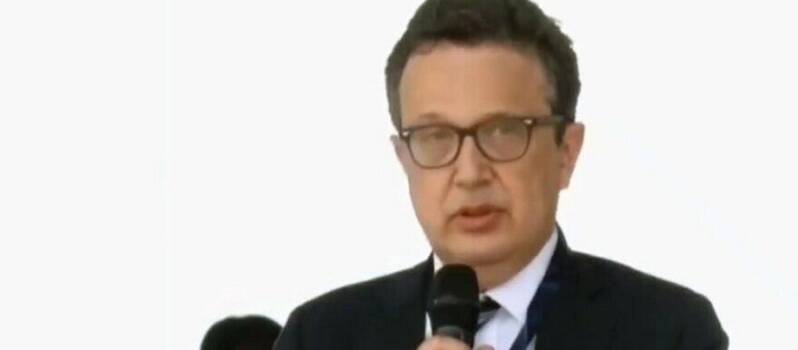
In its New Year’s message from Juba, the U.S. Embassy expressed optimism that 2026 could be a turning point for South Sudan’s fiscal management. The embassy emphasized that the country’s substantial oil resources should serve the “public good,” specifically naming the payment of salaries for civil servants, soldiers, and police, as well as investment in health, education, and other basic services.
The statement also highlighted the importance of peaceful dialogue, reconciliation, and improved governance. The U.S. urged South Sudanese leaders to create an environment conducive to transitioning away from heavy reliance on foreign aid, and to position the country as a more attractive destination for investment and sustainable economic growth.
Background: Economic and Governance Challenges
Since gaining independence in 2011, South Sudan has struggled with ongoing conflict, economic instability, and repeated humanitarian crises. Despite holding some of sub-Saharan Africa’s largest crude oil reserves, the government has faced persistent criticism for poor management of public funds and oil revenues.
Many civil servants and members of the security forces have gone months without pay. Meanwhile, professionals such as teachers and doctors, whose monthly salaries typically range from $10 to $50, have also experienced lengthy payment delays. These issues have contributed to public frustration, weakened service delivery, and hindered the country’s development prospects.
U.S. Support and Calls for Reform
The United States remains one of South Sudan’s largest humanitarian and development partners. Over the years, American officials have repeatedly called for governance reforms and greater fiscal transparency. While the recent embassy statement did not detail specific policy measures, it was framed as an aspiration for the South Sudanese people, encouraging their leaders to commit to responsible stewardship of national resources as the country enters 2026.
The U.S. call reflects ongoing international concern over South Sudan’s economic management and the welfare of its citizens. As the new year begins, the hope is that oil revenues will be used more effectively to support public servants and essential services—paving the way for a more stable and prosperous future.
Add comment
Comments